The Robot Can't Fix Your Pipes
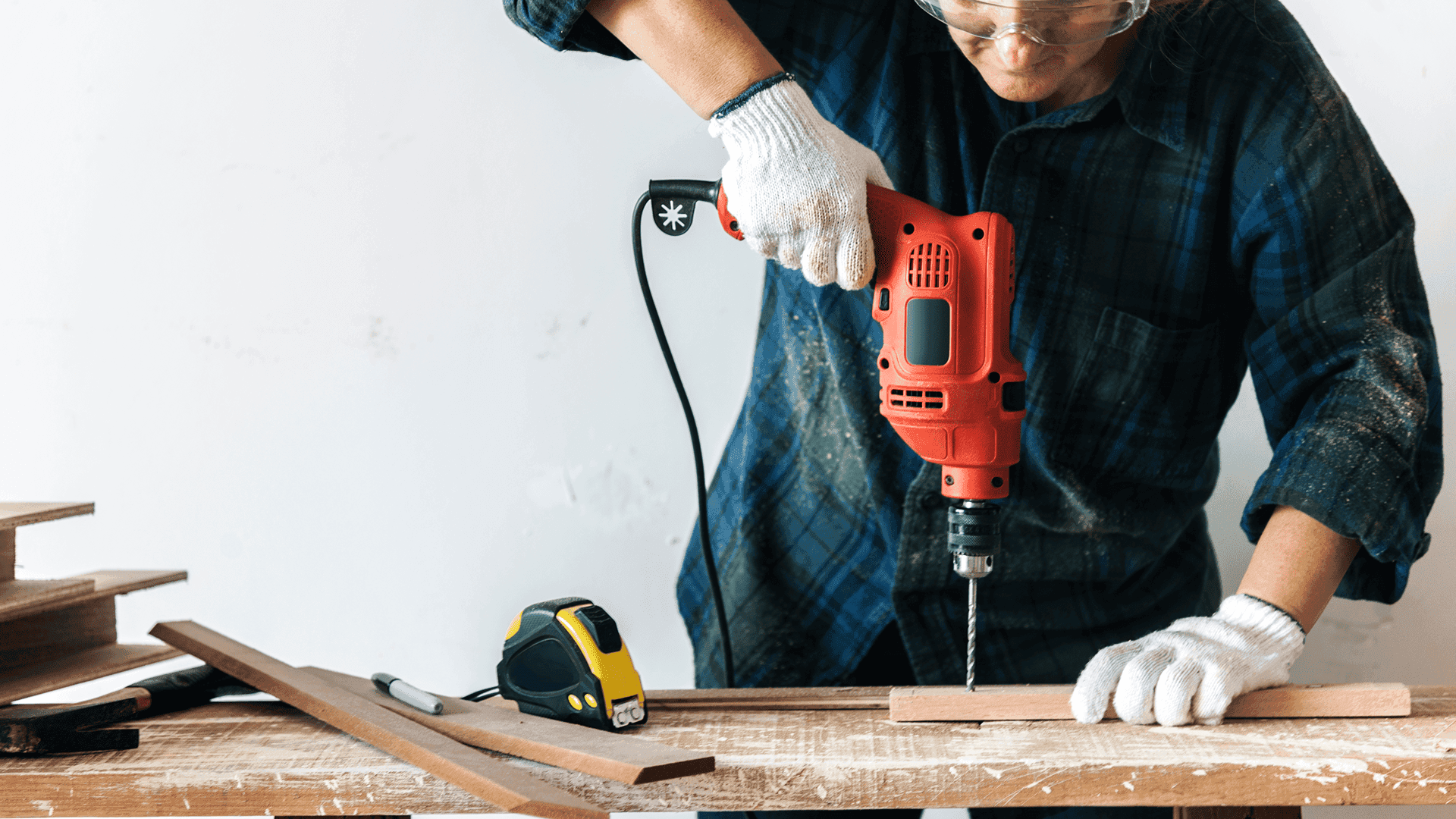
Every job in this business is physical, and every house is different. A 1960s basement, a warped door frame, a deck that has settled unevenly — none of it arrives as clean data. Steve Brujic, who leads Handyman Connection in Canada, puts it simply: AI is not going to replace a handyman any time soon. One day there may be robots patching drywall, but not within the working life of anyone buying a business today.
The work spans plumbing, electrical, carpentry, painting, flooring, windows and doors, drywall, tiling, decks, kitchens and bathrooms, for homeowners, property managers and commercial clients. All of it needs a skilled person on site, which is one reason this category behaves differently — here is how the home service categories compare.

Trust Is the Product
Homeowners are not only buying a repair. They are letting someone into their home and trusting that the job will be priced fairly, done properly and stood behind. Troy Manary, who owns the Ottawa office, describes the business as selling trust: a legitimate company that makes sure, at the end of the day, the customer is happy and has not been cheated.
That shows in the numbers — a Net Promoter Score of 80, and around half of the work coming from repeat and referral customers. Here is what a score of 80 actually means for a new owner. No software replaces that relationship.
How AI Actually Helps the Business
Where AI earns its place is the office. New enquiries already get an automated reply by text and email so nobody waits, and the network is testing AI for customer communication, phone answering and estimating. Steve, a former estimator himself, uses it as a second check on estimates rather than the primary source: it catches what a person misses, then a person decides whether to take the job.
For an owner, that means less time on admin and more on what grows the business — customers, craftsmen and local relationships. It sits on top of the CRM, dispatch and mobile tools owners already get.

Demand That Doesn't Wait for the Economy
A leaking tap does not know whether the economy is good or bad. Repairs come in through recessions, cold winters and, as 2020 showed, pandemics: the business stayed in the essential category through every Canadian lockdown, and some offices beat their 2019 revenue in 2020.
Larger renovations do soften when budgets tighten. Small repairs mostly do not, which is why the model leans towards smaller jobs. Resilient is not the same as immune, though — here is what actually holds up in a downturn.
A Lean Model, Not a Fleet
Unlike many home service franchises, this one does not ask you to buy vans, tools or inventory. Independent craftsmen bring their own; you run a modest office with a customer service representative to start. On a typical job the craftsman receives about 47%, the owner about 47% and the brand about 5% — and there is a good reason that split still leaves a better margin.
Finding people is less of a constraint than the headlines suggest. Experienced tradespeople who never moved online, and semi-retired ones who want steady work without the paperwork, apply in large numbers — which is why the labour shortage can work as a sourcing advantage.
Built for People Coming From Other Careers
Owners come from management, sales, customer service and high tech, not only from the trades. Six weeks of training, weekly operational calls, monthly financial reviews, field visits and a peer network cover what they don't yet know — see the full training and support programme.
If you are weighing a business that AI is unlikely to hollow out, start by checking the fit with the ten-question readiness test, then look at what the investment really involves.
Frequently asked questions
Can AI replace handymen?
No, not in any timeframe that matters to someone buying a business today. Every job is physical and every house is different, so the work needs a skilled person on site. Steve Brujic, who leads Handyman Connection in Canada, expects robots patching drywall one day, but not within a buyer’s working life.
How is AI used in a home service business?
Mainly in the office rather than the field. New enquiries get an automated reply by text and email, and the network is testing AI for customer communication, phone answering and estimating. Estimates still need a human decision: AI is used as a second check that catches what a person misses.
Do I need to buy vans and tools for a home service franchise?
Not with Handyman Connection. Independent craftsmen bring their own vehicles and tools, and you run a modest office with a customer service representative to start. On a typical job the craftsman receives about 47%, the owner about 47% and the brand about 5%, so there is no fleet or inventory to finance.
What kind of people own home service franchises?
Mostly people from management, sales, customer service and high tech, not only the trades. Six weeks of training, weekly operational calls, monthly financial reviews, field visits and a peer network cover what they do not yet know. Having led a team is the clearest sign of what predicts success.